
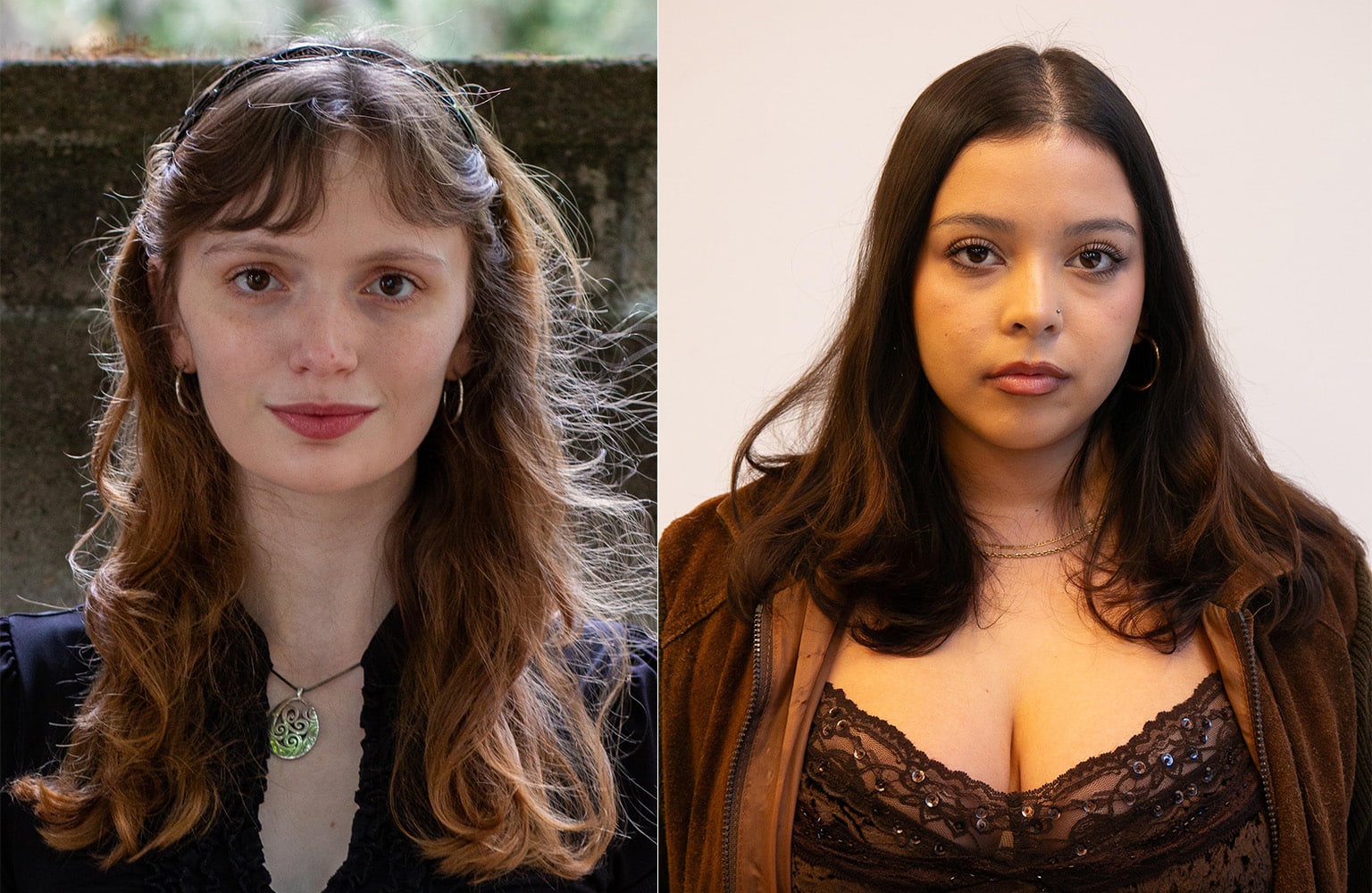
A Q&A with Cecilia Schutz and Ella Peña about how the housing market and the University of California are failing students who need housing.
By The Homeless Voice
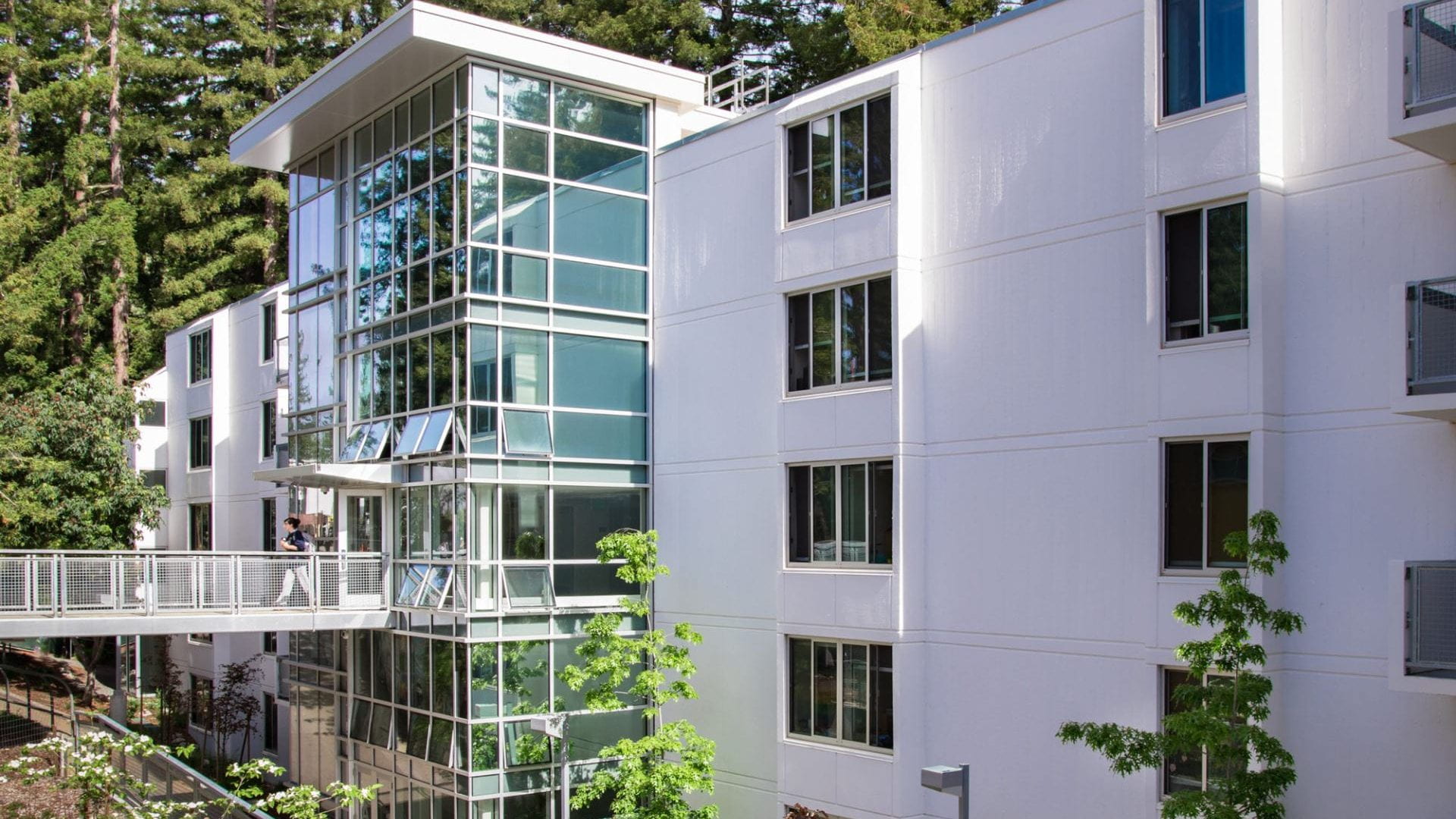
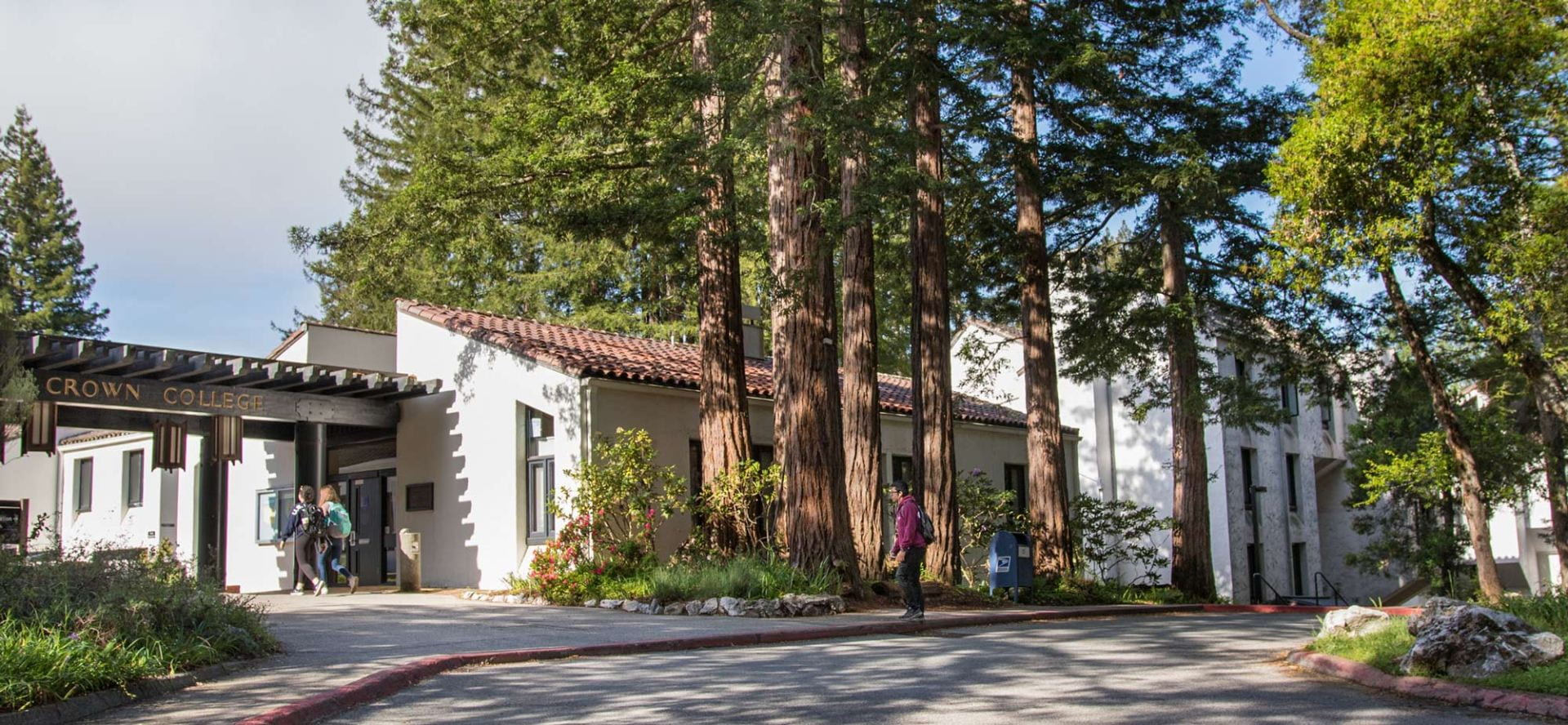
Students at University of California, Santa Cruz are only guaranteed one year of on-campus housing before having to face their internal lottery, dolling out whatever is left of the 9,300 student housing stock for a 20,000 student enrollment. After that, they have to face the housing crisis looming across cities in California, including their own.
UCSC student journalists Cecilia Schutz and Ella Peña spent months covering the students, past and present, who had to sleep in their cars and the little help they received from the university.
This Q&A has been edited for length and clarity.
Homeless Voice: The first thing I want to ask you both is what tipped you off to the story in the first place? How did this start?
Ella Peña: I’ve actually been interested in doing a story on unhoused students since I’ve started at City on the Hill Press. There just wasn’t that connection to unhoused students. Like, how do we dive into this topic that has so many nooks and crannies that it’s kind of hard to pinpoint what to talk about.
Cecilia Schutz: A little while back I had spoken with the Chancellor [Cynthia Larive] about the different housing projects that were happening on campus, and she sort of marketed it as a housing plan where UCSC would have significantly more housing in the next ten years, 20 years, and she divulged all of these big housing projects that were underway, but they were all long-term solutions to a problem that needs solving now.
I had gotten in touch with my adviser saying that it seems like there’s a pretty big disconnect between what students need right now and what the university thinks students need. That led me down this path of well, if there’s students who are facing severe housing insecurity who attend UCSC, they have to be looking for other resources outside of just what the university can provide.
I ended up doing some digging and pitched this story with Ella — the video editor at CHP. We thought about how to highlight this issue in a way that’s going to register with our audience and bring light to something that I think a lot of news outlets are a little hesitant to touch.
Homeless Voice: Who were you seeing as the audience for this reporting?
Ella Peña: Well, CHP is a student-run independent newspaper that primarily focuses on reporting for that student audience, so I think that our goal was to bring awareness to this issue of not necessarily having enough resources and just how broad of an issue this is for students who may lack that information. I think we are in a place where, as students ourselves, we can connect to those unhoused students in a way that a lot of publications can’t.
Cecilia Schutz: I think there’s something a lot more personable and a lot more raw and sort of non-exploitative. I think students coming to students and asking, what is this? What were some obstacles that you faced during this? How did you overcome this? How did you feel supported by the university? These were all questions that we asked and that people were actually really eager to answer.
I think another subsection of our audience are the people that have always lived comfortably, that have always had a roof over their heads. There’s a part in our story where the homeless union president talks about the stigma of being unhoused, and how if you’re comfy, living in your million dollar house that you might not be as in tune with the people that you share a community with who are not as well off. That was also something that we wanted to reach folks with.
Homeless Voice: How did you start trying to find the students who were living in their cars, who were homeless?
Cecilia Schutz: We didn’t really know anybody personally that was living in their car or living alternatively in any way, but we had friends of friends of friends that we were able to get in contact with. We started out with a couple of sources, neither of them got back to us.
It was a lot of that at first, just reaching out to people and also figuring out the best way to word our inquiries over text or over email, because we didn’t want to scare anybody off — we wanted people to know that we were coming to them as friends, as peers who are providing a platform to actually be able to speak in an unfiltered setting about what’s been going on. Eventually we got in contact with a couple of folks from the old Camper Park at UCSC that shut down in summer of 2024 and left a lot of students scrambling to find housing.
There’s a whole segment in our story about Camper Park because it’s a part of this really long-standing history of a counter movement at UCSC where folks were living in their vans and in their cars. These students decided to band together to start what was known as Camper Park and it stood strong for a long time until the university decided to disband it and shut it down.
We figured that if we made some contact with that cohort of people who had been flamed by the university, left stranded in the middle of the summer without any place to stay for the following year, some probably weren’t able to find housing and were making alternative decisions to live in their vehicles.
That actually opened up a lot of doors for us in terms of sourcing. It was all this hidden subculture that we sort of got an entry to.
Ella Peña: Camper Park was absolutely essential to beginning our sourcing. It led us to this community of students where we found a couple of people who were actually unhoused, or previously unhoused, that just led us down the rabbit hole. By the end, we probably spoke with more than 30 people for this story. A lot of this information also isn’t available online. You actually have to go and talk to people and figure out what’s going on, what their story is. You can look at numbers online, but how often are those really accurate — you need the people to back that up.
Cecilia Schutz: We wanted those raw testimonies of people that have actually lived this experience. I think there’s a lot of assumptions that come along with being unhoused, and there’s a lot of preconceived notions that people make about this population of students especially, and so we really wanted to clarify a lot of those misconceptions. Like Ella was saying, bring light to something that has been left in the dark and pushed aside for too long by the community and also by the university, because the university is well aware that unhoused students sleep in their vehicles on campus.
Homeless Voice: The people that you interviewed: were these all students? Were some of them past students as well? Was it just a mix?
Cecilia Schutz: We had a lot of alumni talk to us. I think once you’ve graduated, you don’t have to worry a ton about receiving any kind of backlash from bad faith actors at the university. We actually did get one student that is currently still living in her van, and another that used to be homeless for pretty much an entire year who only recently became housed.
Ella Peña: At City on a Hill we’re committed to protecting our sources, no matter what. If students still attending the school were to receive any backlash, or if the school were to find out where they were parking or what resources they were using that might not be, you know, necessarily legal, we would feel absolutely terrible.
Cecilia Schutz: We wanted to be mindful about leaving those specific details out of the story itself. We also wanted to build trust because there were some folks that we talked to more than once, and a couple people more than twice. Sometimes we felt like we got the most out of out of their interview, but oftentimes there would be that question of well, I think we need to ask them a little bit more about this, or what about this. We even had a spreadsheet of all of our sources.
Homeless Voice: What was your experience trying to communicate with UCSC for the story?
Ella Peña: Communicating with the school as a student reporter has been a process. Especially over the last year, year and a half, we reach out to people from the school and get hit with communications or some sort of PR response. Learning how to navigate that and use these responses to craft the story has definitely been a learning curve.
Cecilia Schutz: We had to figure out how to weave this nothing-burger of a statement into the story itself, and I think a practice that we got used to in handling communication with admin was focusing on what they didn’t say as opposed to what they did say, especially when it got down to talking about the different housing developments that were underway on campus.
We were hit with a large block of text from the housing director basically saying we have all of these projects, but no mention of short-term solutions, so we sort of figured we can definitely include it in the piece that she didn’t answer this question that we asked — that’s sort of how we dealt with with admin and with Slug Support as well.
That was also tricky, because we didn’t want to make Slug Support look terrible. A lot of sources told us that there were a lot of staff members at Slug Support that wanted to help them, and that were really nice people, but just had their hands tied in a lot of ways. We didn’t get into this a lot in the story, but I reckon the budget is not what it should be for a resource like Slug Support.
Ella Peña: There’s also little opportunity, if any, for in-person interviews, so all communication is usually through email which leaves a lack of opportunity for follow-up questions. Or, university officials will just straight up dodge questions.
Homeless Voice: How many university officials do you think you reached out to? And how many did you get a response from? How many did you get an actually useful answer?
Cecilia Schutz: We reached out to about five. We reached out to the director of Slug Support with the Dean of Students office, we reached out to both of the communications directors, and we also requested to speak to the chancellor — they didn’t even respond to that email. Surprisingly enough, the one person we were actually able to speak to on the phone, beyond just back and forth emails, was UCSC Police Department Chief Kevin Domby.
Homeless Voice: What has your experience been with how other students have reacted to your reporting?
Cecilia Schutz: I think it’s making people angry. It’s gotten a lot of views on our Instagram, and it’s gotten a slew of comments that are basically condemning the university for allowing this to happen. There’s been a lot of back and forth over whether certain things should be illegal or against the rules on campus regarding folks living in their vehicles.
We’ve also heard from folks that once they started reading they couldn’t stop, and that feels really good to hear. It makes me happy that people are reading beyond just the first few paragraphs and taking the time to get through this sort of monster of a piece. It’s very long, but that’s what we intended for it to be because there wasn’t anything out there about these student’s testimonies and what they had to say.
I feel like media and local news often aren’t letting these students speak for themselves, they’re being spoken for. A lot of their experiences are being diluted to numbers and statistics. Something we really wanted to accomplish in this piece was making sure the students behind all of those numbers and all of that data were actually brought out from behind that curtain — if they wanted to, of course.
Ella Peña: The first few days the story was out, I had moved back home from campus for the summer, but my boyfriend was still there. He texted me saying ‘Oh my god, people are talking about your story right next to me,’ and I remember feeling like we accomplished our goal of building traction and getting people to talk about it, debate about this.
Cecilia Schutz: It was really our sources that built this entire story, we just put the pieces together.
Homeless Voice: As a reporter, as a student, as a peer to these sources, what are you taking away from the article, the experience of two months of doing this?
Ella Peña: I think there is so much more to be explored. There’s probably about ten more stories we can write about from just the interviews that we did. I’m excited to be continuing on this journey.
Cecilia Schutz: The sources that we spoke to for this story are really what makes this story what it is and really give it that potent, humanistic perspective that I think is lacking in a lot of stories about the unhoused community, and especially the unhoused student community.
Their story “The Reality for Unhoused UC Santa Cruz Students” published June 3, and can be found in the City on the Hill Press.